Key Takeaways:
- Proper crown preparation directly impacts shade matching success and restoration accuracy.
- Digital shade communication tools eliminate guesswork and reduce remake rates.
- Preparation margins and reduction depth affect how light interacts with the final restoration.
- Clear communication between dentist and lab is essential for first-time shade success.
- Keating’s systematic approach to shade matching combines preparation guidelines with advanced color science.
Nothing frustrates dentists and patients more than a crown that doesn’t match. Despite advances in materials and techniques, shade mismatches remain one of the leading causes of remakes in restorative dentistry. The truth is, achieving accurate shade matching isn’t just about picking the right color—it starts with proper crown preparation and continues through systematic communication with your lab.
Understanding the relationship between preparation technique and shade outcomes can transform your success rate, reduce chairside adjustments, and elevate patient satisfaction. When preparation and shade matching work together seamlessly, the results speak for themselves.
How Crown Prep Affects Shade
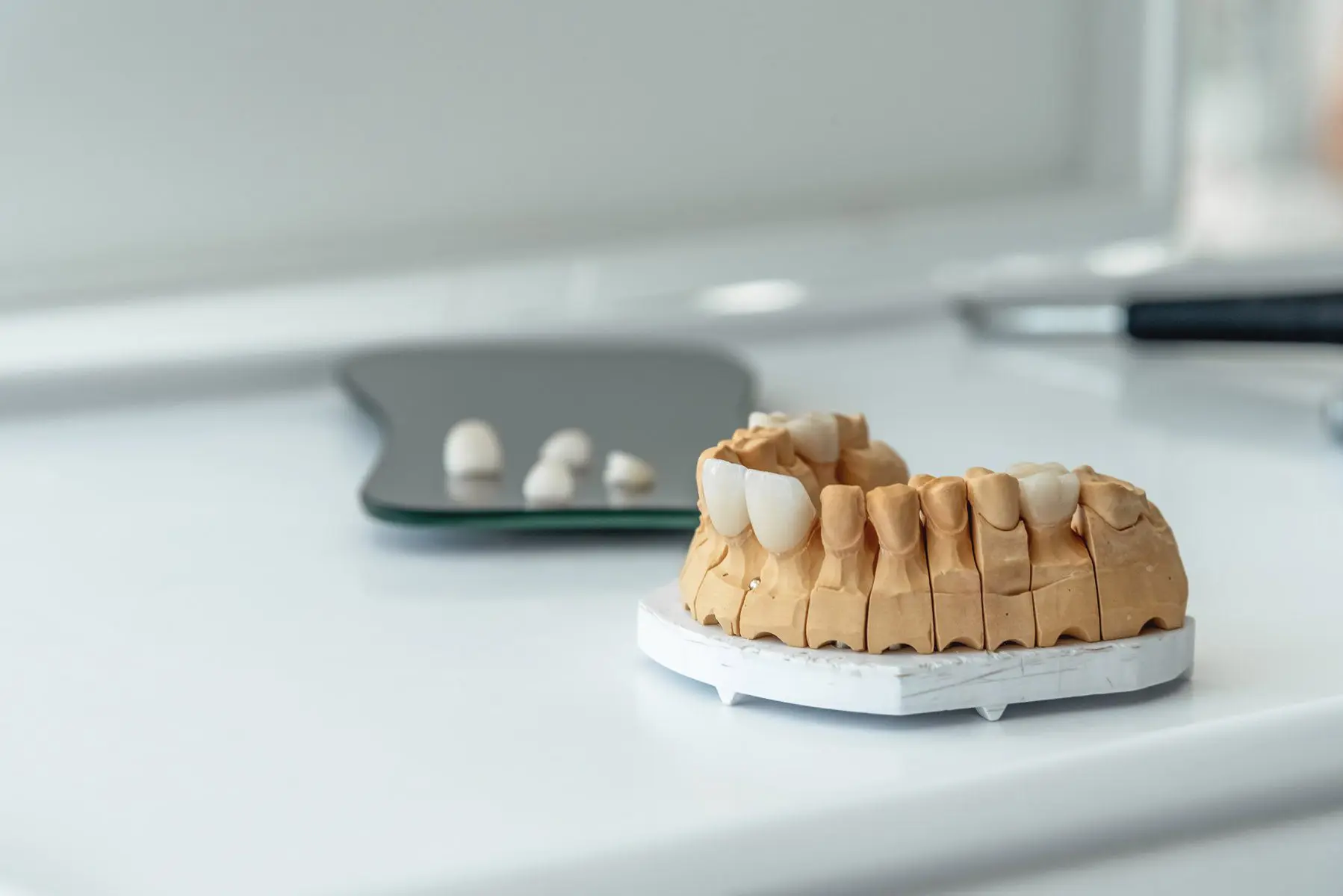
Crown preparation sets the stage for shade success long before any impressions are taken. The depth and uniformity of tooth reduction directly influence how light transmits through the final restoration, affecting both color perception and translucency.
Insufficient reduction forces labs to work with thinner material sections, limiting their ability to mask underlying tooth structure or achieve proper color saturation. Conversely, over-reduction can compromise tooth vitality and create challenges in achieving natural translucency. The sweet spot lies in following preparation guidelines that provide adequate space for material thickness while preserving healthy tooth structure.
Margin placement also plays a crucial role in shade matching success. Subgingival margins can affect how surrounding tissues interact with the restoration’s cervical area, while supragingival margins require precise color matching at the visible crown-tooth interface. Understanding these relationships helps dentists prepare teeth in ways that support rather than hinder shade matching efforts.
Shade Matching in the Real World
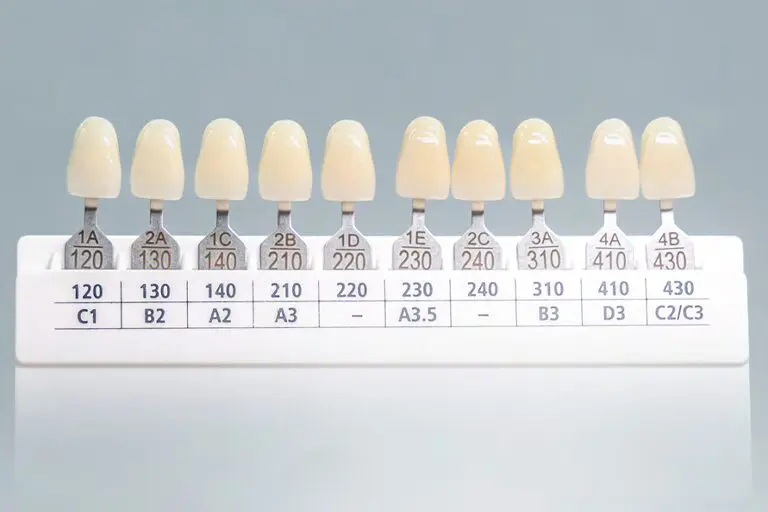
Human color perception involves countless variables that make shade matching inherently challenging. Lighting conditions, surrounding teeth, gingival health, and even patient age all influence how colors appear in the oral environment.
The opacity and translucency of different tooth structures add another layer of complexity. Enamel exhibits different optical properties than dentin, and these characteristics change with age, wear patterns, and previous dental work. Successful shade matching requires accounting for all these factors while working within the constraints of available materials and techniques.
This complexity explains why standardized approaches often fall short. Each case presents unique challenges that require individualized solutions rather than one-size-fits-all protocols.
How Digital Tools Transform Shade Communication
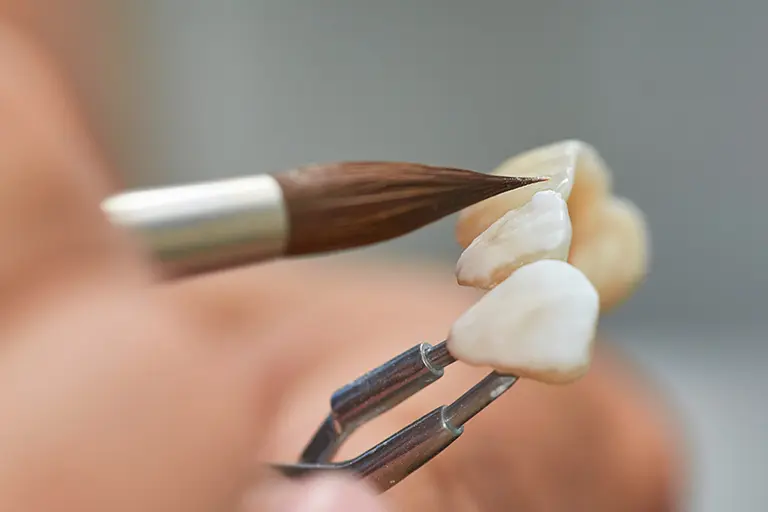
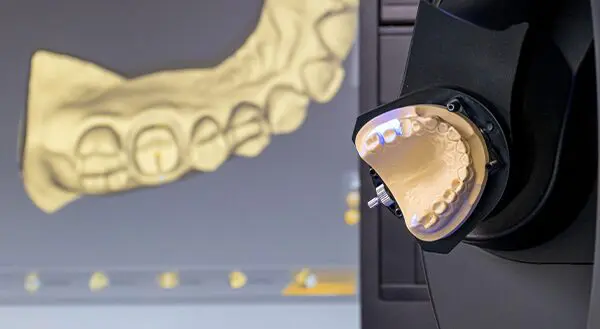
Modern shade matching has moved far beyond holding shade tabs next to teeth under operatory lighting. Digital shade matching systems provide objective color measurements that eliminate much of the guesswork traditionally associated with color selection.
Intraoral cameras with standardized lighting conditions capture accurate representations of tooth color and translucency patterns. These images can be calibrated and shared with lab technicians, providing a consistent reference point that doesn’t depend on subjective visual interpretation.
Digital communication platforms allow dentists to share multiple images showing teeth under different lighting conditions, providing labs with comprehensive color information. This approach dramatically improves first-time shade accuracy compared to traditional written shade descriptions.
What Lab Technicians Need to Succeed in Shade Selection
Lab technicians approach shade matching as both science and art, but their success depends heavily on the information provided by the treating dentist. Beyond basic shade selection, technicians need to understand the patient’s age, gender, and esthetic expectations to create restorations that look natural in the oral environment.
Information about adjacent teeth, existing restorations, and any special considerations helps technicians make informed decisions about color layering and surface characterization. Details about preparation margins, reduction depths, and anticipated cement types also influence material selection and processing techniques.
The most successful shade matching occurs when dentists and technicians work as partners, sharing information and collaborating on challenging cases. This relationship-based approach produces superior results compared to simply sending cases with minimal communication.
The Key to Shade-matching Consistency
Clear communication between dentist and lab forms the foundation of successful shade matching. This communication should include visual information (photos), technical details (preparation specifications), and contextual information (patient expectations and concerns).
Establishing communication protocols with your lab partner ensures that important information is consistently shared. These protocols might include specific photography requirements, forms for documenting shade information, or systems for handling challenging cases that require additional consultation.
Regular communication about case outcomes helps refine these protocols over time. Discussing both successful cases and challenging ones with lab technicians provides insights that improve future results.
Achieving Precision Through Personal Partnership
At Keating Dental Lab, shade matching success begins with understanding the relationship between preparation technique and final aesthetics. Our technicians work closely with dentists to ensure that preparation guidelines support rather than hinder aesthetic goals.
Our systematic approach combines digital color analysis with traditional artistry, providing the best of both worlds. We utilize advanced shade matching technology while maintaining the human expertise needed to account for individual patient characteristics and aesthetic preferences.
What sets Keating apart is the personal relationship you develop with our lab technicians. Rather than working with a different technician each time, you’re paired with dedicated team members who learn your preferences, understand your patient demographics, and become familiar with your preparation techniques. This personalized approach means your technician can anticipate your needs and apply insights from previous cases to deliver consistently superior results.
The goal isn’t just getting shade right the first time. It’s building systems that consistently deliver exceptional esthetic outcomes. This systematic approach to crown preparation and shade matching transforms occasional successes into predictable results that benefit both practices and patients.
Understanding the connection between preparation technique and shade outcomes empowers dentists to approach aesthetic cases with confidence. When supported by effective communication and skilled lab partners like Keating Dental Lab, this knowledge translates into consistently beautiful results that exceed patient expectations.