Key Takeaways:
- LiSi offers exceptional translucency and natural esthetics for anterior restorations.
- Proper case selection and fabrication techniques are critical for maximizing LiSi’s strength potential.
- Precision craftsmanship ensures optimal marginal fit and long-term restoration success.
- Digital workflows enhance accuracy and consistency when working with lithium disilicate materials.
- Expert lab partnership is essential for achieving predictable outcomes with glass ceramic materials.
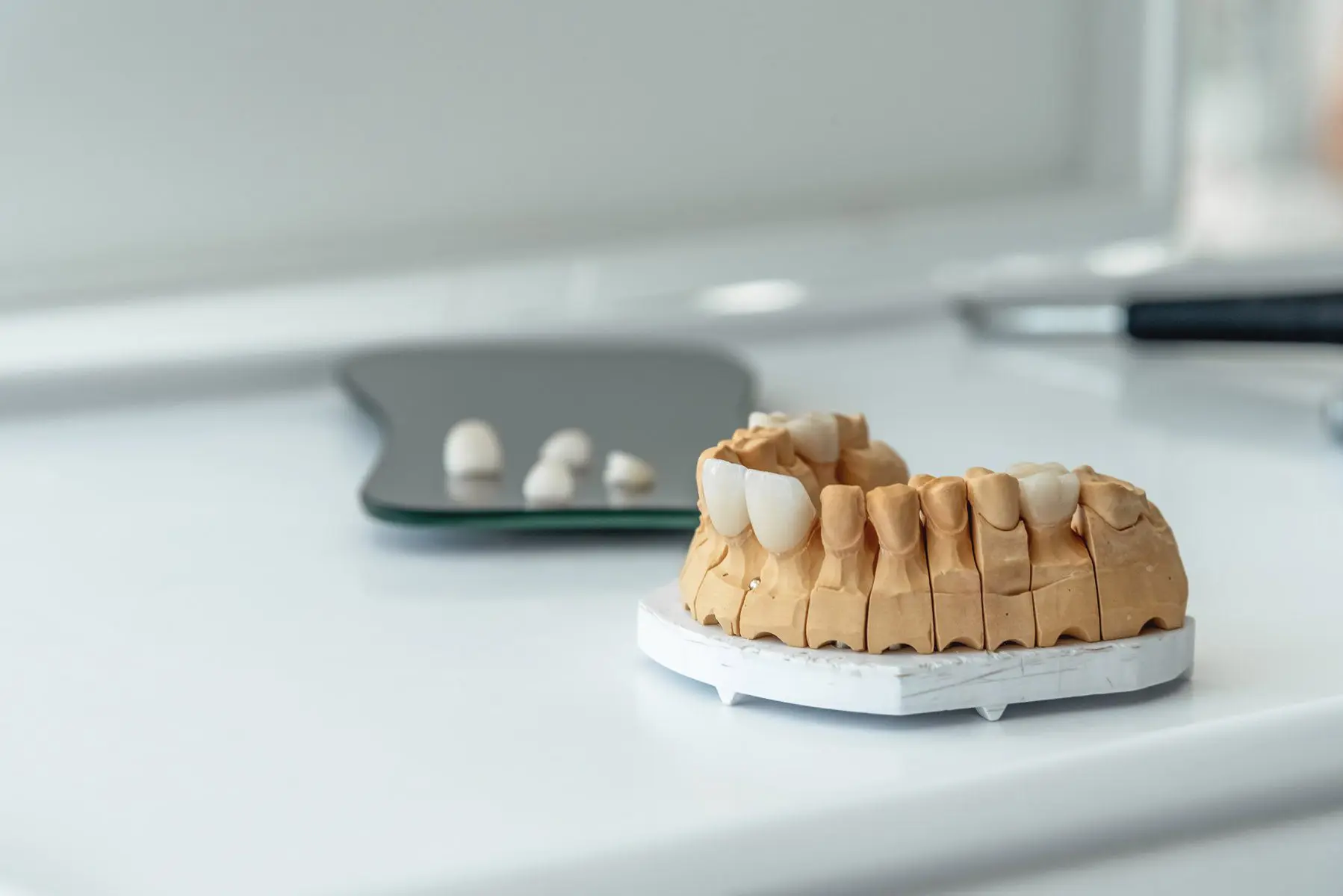
In the pursuit of restorations that seamlessly blend strength with beauty, lithium disilicate (such as IPS e.max), has emerged as a standout material for discerning dental practices. LiSi, a leading lithium disilicate ceramic, represents the culmination of materials science and clinical innovation, offering dentists a reliable solution for cases where esthetics cannot be compromised.
Yet the success of any lithium disilicate restoration depends not just on the material’s inherent properties, but on the precision and expertise applied during fabrication. Understanding how skilled craftsmanship maximizes LiSi’s potential can transform your approach to anterior and premolar restorations.
The Science Behind LiSi’s Exceptional Performance
Lithium disilicate’s unique crystal structure provides the foundation for its exceptional performance characteristics. The material’s fine-grained crystalline matrix delivers impressive flexural strength while maintaining the translucency that makes natural-looking restorations possible.
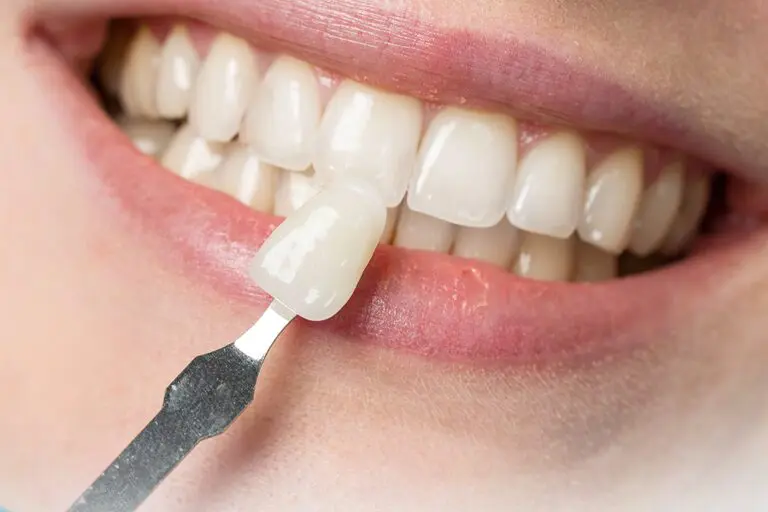
LiSi’s optical properties closely mimic natural tooth enamel, exhibiting similar light transmission and reflection characteristics. This biomimetic behavior allows restorations to integrate seamlessly with existing dentition, creating results that are virtually indistinguishable from natural teeth under various lighting conditions.
The material’s chemical composition also provides excellent color stability over time. Unlike some composite materials that may discolor or degrade, properly fabricated lithium disilicate restorations maintain their appearance and integrity for years, supporting both patient satisfaction and practice reputation.
Lithium Disilicate’s Limitations and Applications
While LiSi offers impressive strength for a glass ceramic material, successful outcomes depend on appropriate case selection and design principles. The material excels in anterior and premolar applications where moderate to high esthetic demands must be balanced with functional requirements.
Understanding load distribution becomes crucial when working with lithium disilicate. Proper preparation design, adequate thickness, and strategic placement of margins all influence the restoration’s ability to withstand occlusal forces over time. These factors require careful attention during both preparation and fabrication phases.
The material’s strength characteristics make it particularly well-suited for single crowns and three-unit bridges in the anterior region. However, longer span restorations or cases involving heavy occlusal forces may benefit from alternative materials with higher strength properties.
Maximizing Dental Patients’ Natural Dentition
The translucency that makes LiSi ideal for esthetic applications also requires sophisticated handling during fabrication. Achieving natural-looking results demands understanding how light interacts with the material and how to manipulate those interactions through layering and characterization techniques.
Skilled technicians recognize that lithium disilicate’s optical properties can be enhanced through careful attention to internal anatomy and surface texture. Creating proper mamelons, developmental grooves, and subtle characterization marks transforms good restorations into exceptional ones that truly mimic natural dentition.
Color matching with LiSi involves more than selecting the right shade from a guide. The material’s inherent translucency means that underlying tooth structure, cement selection, and even gingival health can influence final appearance. Successful outcomes require accounting for all these variables during design and fabrication.
Achieving Accuracy and Consistency in Dental Restoration
Modern lithium disilicate fabrication benefits tremendously from digital workflows that enhance both accuracy and consistency. CAD/CAM technology allows for precise control over restoration thickness, ensuring optimal strength while maintaining the material’s esthetic properties.
Digital design software enables technicians to analyze stress distribution patterns and optimize restoration geometry for specific clinical situations. This analytical approach reduces the likelihood of failures while maximizing the material’s performance potential.
The precision available through digital workflows also supports superior marginal adaptation. Accurate margins are particularly important with glass ceramics, as any discrepancies can become stress concentration points that compromise long-term success.
Esthetic Essentials: Where Craftsmanship Meets Science
The difference between adequate and exceptional lithium disilicate restorations often lies in fabrication details that aren’t immediately visible. Proper crystallization protocols, surface finishing techniques, and quality control measures all contribute to final performance.
Temperature control during processing affects both strength development and optical properties. Precise adherence to firing schedules ensures that the material achieves its intended characteristics without compromising esthetic or mechanical properties.
Surface finishing requires particular attention with lithium disilicate materials. The final surface texture influences both appearance and plaque retention, making proper polishing and characterization essential for esthetics.

Ideal LiSi Applications
Successful lithium disilicate outcomes begin with appropriate case selection. Understanding when LiSi represents the optimal choice, and when alternative materials might be preferable, prevents failures and ensures patient satisfaction.
Ideal LiSi applications include single anterior crowns, premolar restorations, and short-span anterior bridges where high esthetic demands must be met without compromising reasonable strength requirements. The material’s properties align perfectly with these clinical situations.
Cases involving heavy occlusal forces, extensive span requirements, or patients with bruxism may benefit from stronger materials despite potential esthetic compromises. Honest assessment of clinical requirements prevents unrealistic expectations and subsequent disappointments.
Effective Communication to Ensure Successful Outcomes
Effective communication between dentist and lab becomes particularly important with esthetic materials like LiSi. Detailed information about patient expectations, adjacent teeth, and clinical constraints enables technicians to make informed decisions during fabrication.
Photography plays a crucial role in lithium disilicate success. High-quality images showing tooth color, translucency patterns, and surface characteristics provide essential information that cannot be conveyed through written descriptions alone.
Discussion of cement selection also influences final outcomes with translucent materials. The interaction between restoration, cement, and underlying tooth structure affects final appearance, making collaboration on these details essential for predictable results.
The Importance of Systematic Quality Control
Consistent lithium disilicate outcomes require systematic quality control measures that address both technical and esthetic aspects of fabrication. These measures become particularly important when working with materials where small variations can significantly impact final results.
Domestic production provides advantages in quality control that are difficult to achieve with offshore fabrication. Direct oversight of processing conditions, immediate feedback on case outcomes, and rapid communication for adjustments all contribute to superior consistency.
Regular evaluation of completed cases helps identify opportunities for refinement in both clinical and laboratory procedures. This continuous improvement approach ensures that outcomes continue to meet evolving patient expectations.
Why Partnership Leads to Successful LiSi Restorations
Lithium disilicate success depends on collaboration between skilled clinicians and experienced laboratory technicians. This partnership approach recognizes that optimal outcomes require expertise at every stage of the process, from case selection through final delivery.
At Keating Dental Lab, our approach to lithium disilicate fabrication combines advanced technology with traditional craftsmanship skills. Our technicians understand both the science behind the material and the artistry required to create truly exceptional restorations.
Every LiSi restoration benefits from our comprehensive approach to quality control and attention to detail. We recognize that working with glass ceramics requires different techniques and considerations compared to other materials, and our processes reflect this understanding.
When precision craftsmanship meets advanced materials science, the results speak for themselves. Lithium disilicate restorations that combine natural beauty with reliable performance represent the best of modern restorative dentistry, delivered through the expertise and dedication found at Keating Dental Lab.