Key Takeaways:
- Zirconia dental bridges combine exceptional strength with lifelike translucency for anterior cases
- Multi-unit anterior bridges require perfect shade matching across multiple units—a specialty of advanced zirconia formulations
- Highly translucent zirconia offers superior esthetic properties while maintaining strength that exceeds traditional PFM restorations
- Skilled lab technicians are essential for achieving natural characterization and light-handling properties in complex cases
Multi-unit anterior bridges can be some of the hardest cases we deal with in esthetic dentistry. You’re trying to get several units to match perfectly in shade, keep the translucency looking natural next to the real teeth, and still have the strength to hold up over time. For years, the trade-off was frustrating. Metal-based restorations gave you strength but not beauty, and all-ceramics looked good but didn’t always have durability. Zirconia bridges significantly changed that equation.
The improvements we’ve seen in zirconia over the years have opened many doors. Now you can get both: toughness that lasts and the kind of translucency that looks like a real tooth. For anyone restoring multiple anterior units, it’s worth taking the time to really understand what modern zirconia can do, because it makes predictable and esthetic results much more achievable.
The Material Science Behind Zirconia’s Success
Zirconia teeth first showed up in dentistry back in the ‘90s, after proving themselves in orthopedic work. What makes the material so tough is how it reacts under stress. Instead of letting a crack run wild, the crystal structure shifts just enough to shut it down. That’s why zirconia is so hard to break.
When it comes to zirconia dental bridges, that toughness really pays off. You can design slimmer connectors between pontics without worrying about compromising strength. In practical terms, that means you get both durability and freedom in your design—something earlier materials couldn’t offer.
Traditional porcelain-fused-to-metal bridges needed bulkier connectors to avoid fracture, but that extra bulk often came at the expense of esthetics and tissue health. Zirconia’s superior flexural strength changes that. It allows for more conservative connector dimensions that support natural gingival contours and better tissue adaptation while still holding up under functional load.
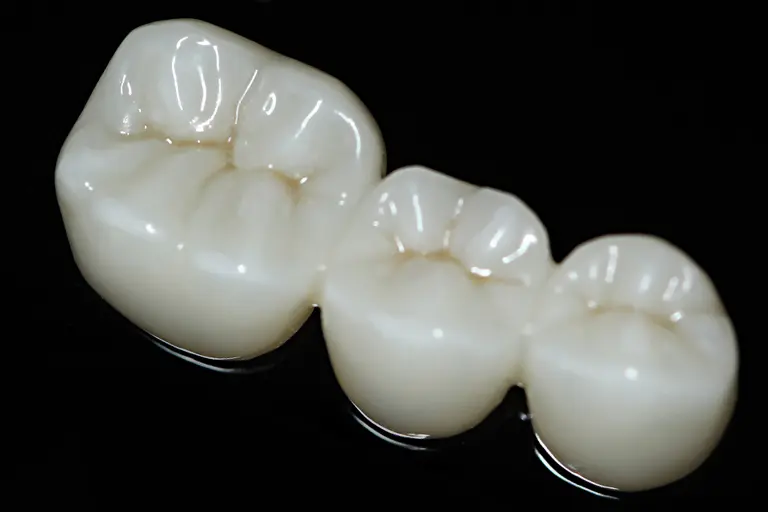
The real shift happened with the development of high-translucent zirconia formulations. These newer materials maintain the same core strength while allowing light to pass through the restoration much like natural enamel. That combination of strength and optical realism makes modern zirconia teeth an ideal choice for anterior cases—where esthetics and performance both have to deliver.
Why Shade Matching Makes or Breaks Anterior Cases
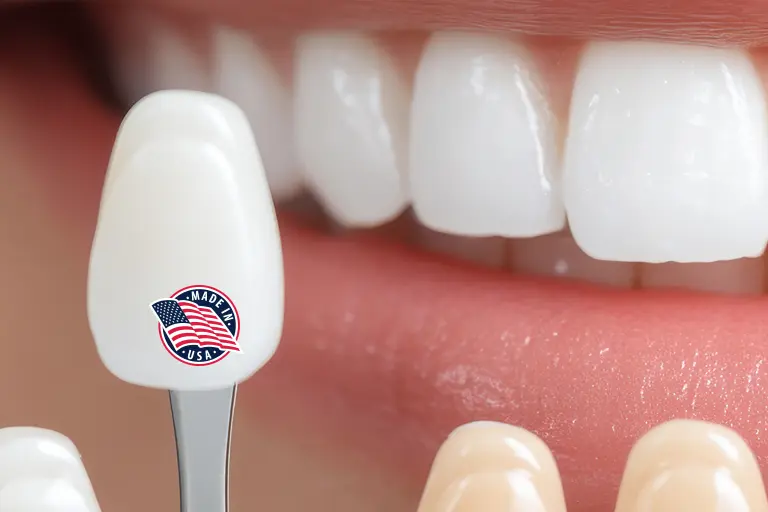
Shade selection in esthetic dentistry is all about accuracy, consistency, and predictable results. And those demands only increase when you’re dealing with multi-unit restorations. In complex anterior cases, it’s not as simple as matching one shade. You’re creating a smooth, natural gradient across several units while managing differences in translucency, chroma, and value.
One of the challenges with anterior work is capturing what makes natural teeth look alive. Real teeth aren’t just a flat shade. They show subtle changes from cervical to incisal, have internal character, and surface texture that all play a role in how light hits and reflects.
High-translucent zirconia gives us the tools to mimic that. You can customize it with internal staining and surface detail, so it picks up those same qualities. Because of its translucency, light actually passes through and scatters the way it does in natural enamel, creating depth and vitality instead of a flat, opaque look.
And when we’re talking about zirconia dental bridges, the quality of the material truly matters. Good zirconia minimizes those metameric mismatches — the kind of thing where a shade looks right under the operatory light but wrong in sunlight. With proper material selection and processing, color stays stable across different light sources. That consistency makes it a lot easier to feel confident that the shade you nail in the chair is the shade your patient will be happy with.
Different Formulations for Different Clinical Needs
Not all zirconia is created equally. The zirconia family includes several formulations optimized for specific clinical scenarios:
Solid Zirconia offers maximum strength—up to 1200 MPa—making it ideal for posterior bridges or patients with parafunctional habits. However, its higher opacity limits usefulness in the esthetic zone.
Layered Zirconia uses a zirconia core with hand-layered porcelain on the facial surface, combining zirconia’s strength with traditional porcelain artistry. For complex multi-unit cases, this remains viable when maximum esthetics are paramount.
High-Translucent Zirconia represents the sweet spot for most anterior bridge work. With flexural strength around 720 MPa—still exceeding traditional PFM restorations—it maintains excellent mechanical properties while offering the translucency needed for natural-looking anterior restorations.
The Artistry of Multi-Unit Bridge Design
When you’re working on zirconia dental bridges in the esthetic zone, it’s not just about strength — it’s about artistry. Every multi-unit case should be treated like a custom build. The best technicians take into account the patient’s age, gender, facial form, and the nuances of their existing dentition before they even start layering in detail.
One of the biggest keys is value control. Natural teeth aren’t the same brightness from top to bottom — they shift from darker at the cervical to lighter and more translucent at the incisal edge. Zirconia teeth need to capture that same gradient. If you miss it, the result looks flat and artificial. With the right material choice and internal staining, though, you can reproduce that depth and vitality.
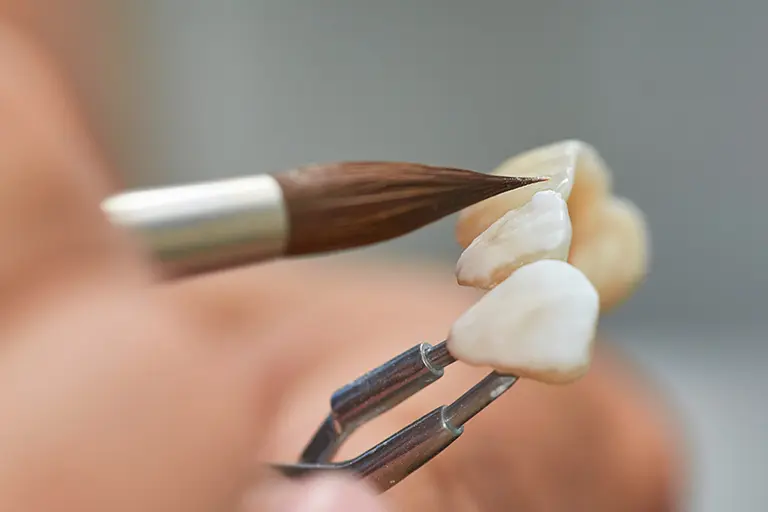
Surface detail is just as critical. Real enamel isn’t perfectly smooth. It’s got faint striations, mamelons, and subtle irregularities that break up light and give teeth their lifelike sparkle. Skilled technicians add those textures into zirconia dental bridges, so they don’t just look like teeth; they behave like teeth when light hits them.
The Keating Advantage in Complex Esthetic Cases
At Keating Dental Lab, complex multi-unit anterior bridges aren’t just another case. They’re an opportunity to blend technical acumen with artistic vision. Every case starts with thoughtful planning and open communication about esthetic goals, material selection, and functional requirements.
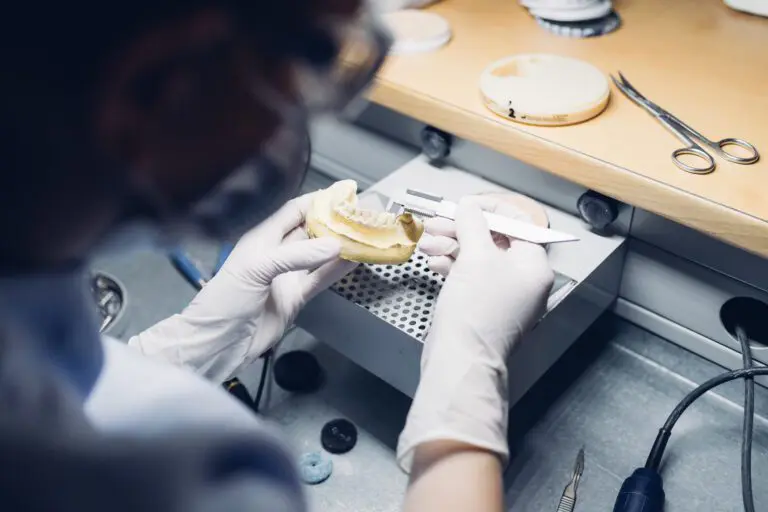
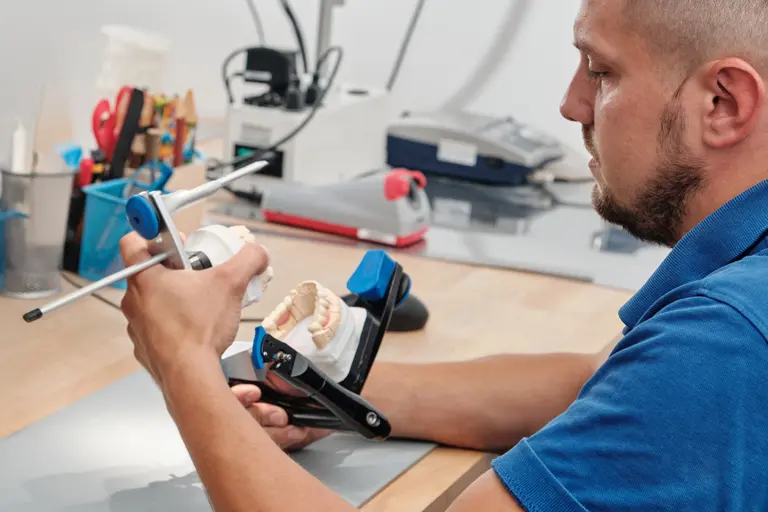
Our team uses digital dentistry workflows that pair CAD/CAM precision with the artistry of experienced ceramists. Digital design and advanced technologies ensure accuracy in marginal fit, contours, and framework integrity. From there, our ceramists bring the restoration to life—layering, staining, and characterizing each unit until it captures the natural depth and character of real enamel.
That’s the level of understanding, and the kind of result, that defines every multi-unit anterior bridge we make.