
Key Takeaways:
- Keating Dental Zirconia (KDZ) offers superior strength and aesthetic options compared to conventional zirconia crowns.
- Different KDZ formulations address specific clinical needs, from high-strength posterior cases to aesthetic anterior restorations.
- KDZ Bruxer® provides exceptional durability with 1500 MPa flexural strength for demanding zirconia crown applications.
- KDZ Bruxer® Aesthetic delivers enhanced translucency while maintaining superior strength over glass ceramics.
- Choosing the right zirconia material impacts both restoration longevity and patient satisfaction.
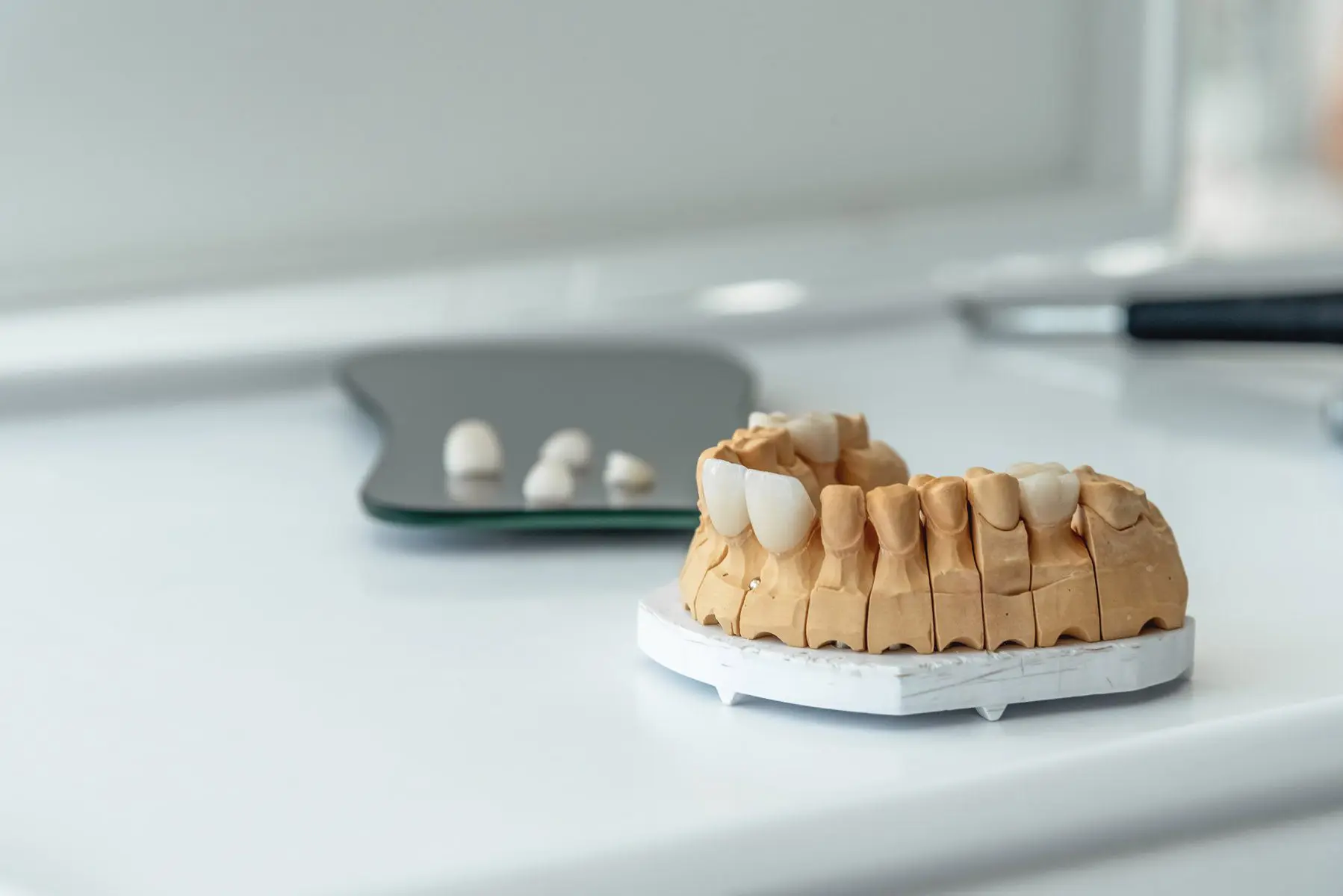
Zirconia crowns have revolutionized restorative dentistry, offering strength and biocompatibility that traditional materials simply can’t match. But not all zirconia is created equal. As patient expectations rise and clinical demands become more complex, the differences between conventional zirconia and advanced formulations like Keating Dental Zirconia (KDZ) become increasingly important for esthetic and functional success.
Understanding these differences isn’t just about materials science. It’s about choosing solutions that deliver predictable outcomes, satisfied patients, and fewer remakes.
Zirconia’s Exceptional Qualities
Zirconium dioxide has earned its place as a premier dental material for good reason. Its exceptional biocompatibility, resistance to corrosion, and metal-free composition address many concerns about traditional restorative materials. Conventional zirconia crowns typically offer decent strength and acceptable aesthetics, making it a reliable choice for many standard cases.
However, the demands of modern dentistry require more than “decent” and “acceptable.” Patients expect restorations that combine exceptional durability with natural-looking aesthetics, particularly in visible areas where appearance matters most.
Keating Dental Zirconia: Engineered for Excellence
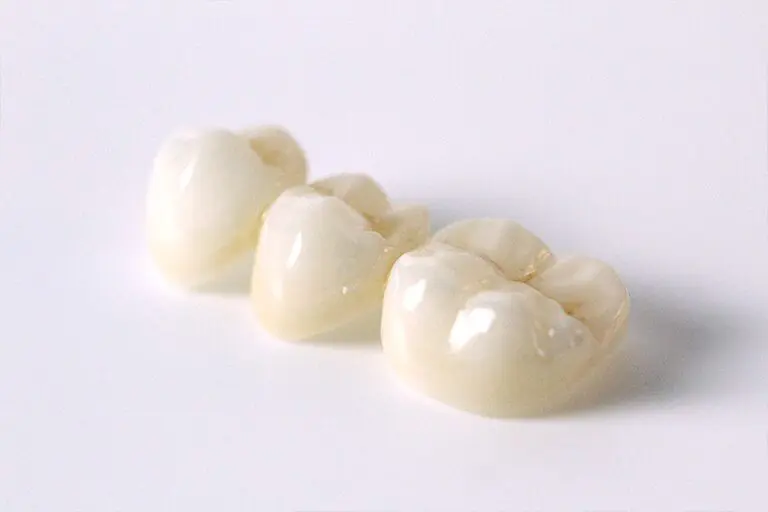
Keating Dental Zirconia (KDZ) represents a significant advancement over conventional zirconia materials. Rather than offering a one-size-fits-all approach, the KDZ line provides specialized zirconia crown formulations designed to excel in specific clinical situations.
The KDZ Bruxer® sets a new standard for strength with approximately 1500 MPa flexural strength—significantly higher than conventional zirconia options. This exceptional durability makes it ideal for long-span bridges, posterior crowns, and patients with bruxism, where conventional materials might fail under excessive forces.
For cases requiring enhanced esthetics without compromising strength, KDZ Bruxer® Aesthetic offers increased translucency while maintaining approximately 650 MPa flexural strength. This represents the best of both worlds: natural-looking results that still outperform glass ceramics like e.max in terms of durability.

Clinical Applications: Matching Zirconia Crown Types to Patient Needs
The versatility of the KDZ line becomes apparent when considering specific clinical scenarios. Conventional zirconia often forces dentists into compromises—choosing between strength and esthetics, or between durability and translucency.
KDZ Bruxer® eliminates these compromises for posterior applications. Its exceptional strength makes it suitable for even the most challenging cases, including patients with heavy occlusal forces or those requiring long-span restorations where conventional materials might be contraindicated.
For anterior and premolar regions where esthetics are paramount, KDZ Bruxer® Aesthetic provides the translucency needed for natural-looking results while maintaining strength levels that exceed most alternative materials. This combination allows dentists to confidently place aesthetic restorations without worrying about long-term durability.
The KDZ Ultra® option takes this versatility further, combining a digitally milled zirconia substructure with hand-layered Kuraray Noritake CZR porcelain. This porcelain-fused-to-zirconia approach delivers highly natural esthetics while maintaining the underlying strength that only zirconia can provide.
The Bruxism Challenge
Bruxism presents unique challenges that conventional zirconia doesn’t always address effectively. Patients who grind their teeth require restorations that can withstand extraordinary forces without chipping, fracturing, or causing excessive wear to opposing dentition.
KDZ Bruxer® was specifically designed with these patients in mind. Its exceptional strength and monolithic construction eliminate weak points that might compromise conventional restorations. This durability extends restoration lifespan and reduces the likelihood of emergency repairs or remakes.
Full-Arch Implant Innovation
The demands of full-arch implant restorations push materials to their limits. Traditional hybrid dentures often rely on acrylic components that can wear, stain, or break over time. KDZ Bruxer® Hybrid addresses these limitations with 100% solid zirconia construction engineered specifically for full-arch applications.
This material provides superior strength, stability, and hygiene compared to traditional acrylic alternatives. For practices offering full-arch solutions, the difference in long-term outcomes can be substantial.
Dental Zirconia Quality: Fabrication Matters
While material properties form the foundation of successful restorations, the fabrication process determines whether those properties translate into clinical success. KDZ products are crafted in the United States by experienced technicians who understand both the technical requirements and esthetic nuances that define exceptional restorative work.
This domestic production ensures consistent quality, reliable communication, and turnaround times that support practice efficiency. When dealing with advanced materials like KDZ, the expertise behind the fabrication process becomes just as important as the material itself.
Conventional Zirconia vs. KDZ
The decision between conventional zirconia and KDZ ultimately depends on your practice goals and patient needs. Conventional zirconia may suffice for straightforward cases with minimal aesthetic demands. However, practices focused on delivering exceptional outcomes, handling complex cases, or serving patients with high expectations will find significant advantages in the KDZ approach.
The ability to select from multiple formulations within the KDZ line—each optimized for specific applications—provides flexibility that conventional single-formula zirconia simply cannot match. This versatility translates into better case acceptance, improved patient satisfaction, and fewer complications over time.
Understanding these material differences empowers dentists to make informed decisions that benefit both their practices and their patients. In an era where excellence is expected rather than exceptional, choosing advanced materials like KDZ represents an investment in long-term success.
The future of restorative dentistry belongs to materials that don’t force compromises between strength and esthetics. KDZ delivers both, backed by the expertise and reliability that modern practices require to thrive.