Key Takeaways:
- Material selection is the cornerstone of successful cosmetic dentistry outcomes
- Zirconia crowns offer superior strength but require careful consideration for anterior esthetics
- Porcelain-based materials provide exceptional translucency for natural-looking results
- Understanding each material’s properties enables informed decision-making for specific clinical scenarios
- Expert lab guidance helps optimize material choice based on individual case requirements
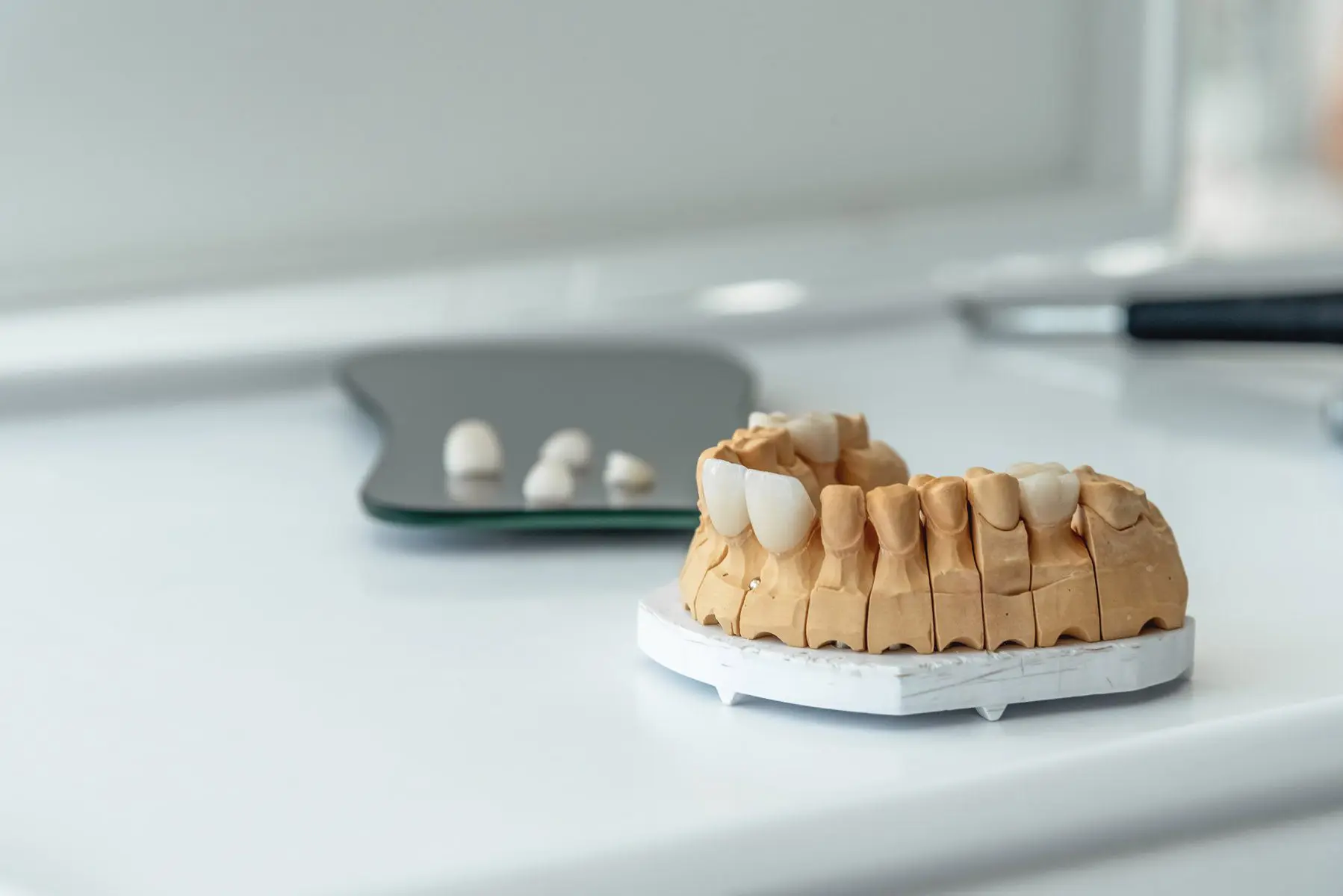
The success of any cosmetic dental case often depends on choosing the right material from the start. With patients asking for and expecting restorations that blend seamlessly with natural teeth, the choice between zirconia and porcelain-based materials is critical. Each has unique strengths and limitations that impact both immediate esthetic results and long-term patient satisfaction.
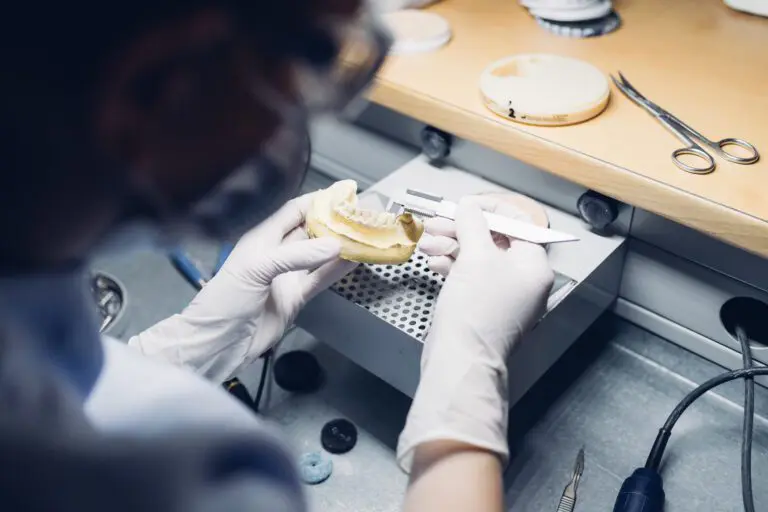
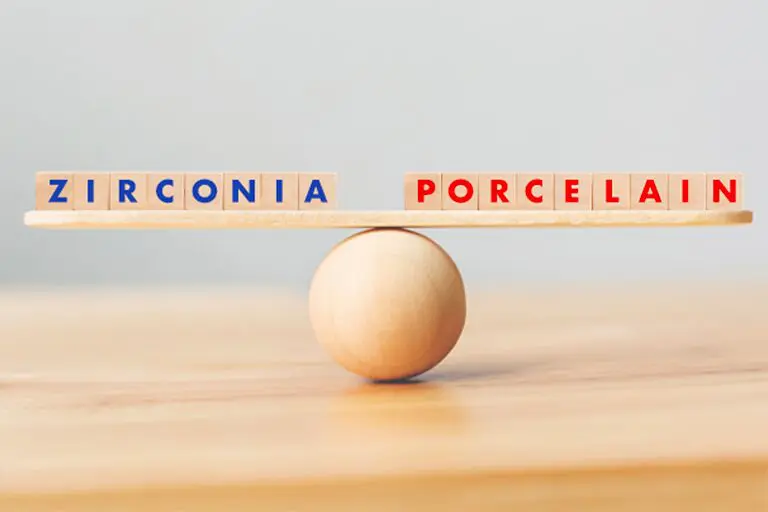
Deciding between zirconia and porcelain isn’t just a matter of reading the spec sheet. In the lab, we know how each one behaves differently once it’s in the mouth. Some cases call for the strength of zirconia, others for the lifelike translucency of porcelain. It really comes down to matching the material to the patient and the situation in front of you.

The Science Behind Esthetic Success
Material selection for cosmetic cases involves balancing multiple factors that influence final appearance. As detailed in comprehensive research on dental ceramic materials, the composition, microstructure, and properties of ceramic materials determine the clinical indications of various classes of dental ceramics. The optical properties that make materials appear natural—translucency, opalescence, and fluorescence—must be weighed against mechanical properties that help ensure longevity.
Zirconia crowns achieve their strength through a dense polycrystalline structure that provides exceptional fracture resistance. However, these material characteristics traditionally limited translucency, making early zirconia restorations appear more opaque than natural teeth. Recent advances have addressed many of these drawbacks, with newer formulations offering improved optical properties while maintaining superior strength.
Porcelain-based materials derive their esthetic appeal from their glassy matrix structure. This composition allows light transmission patterns that closely mimic natural enamel, creating the depth and vitality that characterize truly lifelike restorations.

Modern Zirconia Crown Applications
Contemporary zirconia crowns have evolved significantly from their earlier iterations. High-translucency formulations now offer optical properties that approach those of glass ceramics while retaining legendary strength. Research demonstrates that zirconia-based crowns achieve success rates comparable to conventional porcelain-fused-to-metal crowns, validating their use in demanding esthetic applications.
The versatility of modern zirconia makes it suitable for anterior single crowns in high-stress situations, such as patients with bruxism or those requiring crown lengthening procedures. The material’s biocompatibility also makes it ideal for patients with metal sensitivities who require both strength and esthetics.
Zirconia crowns excel where preparation space is limited. The material’s strength allows for thinner sections without compromising durability, enabling more conservative preparations that preserve healthy tooth structure—particularly valuable in cosmetic cases where maintaining natural contours is essential.
Porcelain Excellence: The Translucency Standard
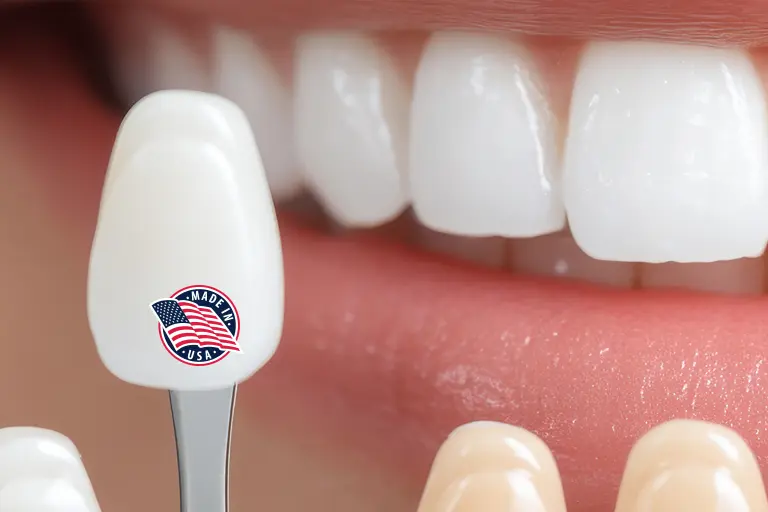
Porcelain-based materials remain the benchmark for achieving natural-looking translucency in cosmetic restorations. Feldspathic porcelain continues to be the material of choice for cases where maximum esthetics take precedence over strength considerations.
The layering potential of porcelain systems allows skilled technicians to create internal characterization that replicates the complex optical interactions found in natural teeth. This capability becomes particularly important in anterior cases, where subtle variations in translucency and color create the depth and vitality that distinguish exceptional restorations.
Glass ceramic materials like lithium disilicate bridge the gap between strength and esthetics, offering improved mechanical properties compared to traditional feldspathic porcelain while maintaining excellent translucency. These materials prove ideal for single anterior crowns and three-unit bridges in the esthetic zone.
Clinical Decision Making: Matching Materials to Patients
Successful material selection requires comprehensive evaluation of multiple patient factors beyond basic strength and esthetic requirements. Age, oral hygiene, parafunctional habits, and esthetic expectations all influence the optimal material choice for individual cases.
Younger patients with high esthetic expectations and good oral hygiene may benefit from porcelain-based materials that offer superior translucency. Conversely, patients with bruxism or those requiring restorations in high-stress areas may be better served by zirconia crowns that provide superior fracture resistance.
The restoration’s location within the oral cavity also influences material selection. Anterior restorations visible during speech and smiling require maximum esthetic potential, while posterior restorations may prioritize strength over absolute optical perfection.
Technology Integration: Optimizing Performance
CAD/CAM technology has revolutionized how both materials are processed and applied. Digital workflows enable precise control over restoration thickness, ensuring optimal material performance while maintaining esthetic requirements. The ability to virtually design restorations allows for material-specific optimization that wasn’t possible with traditional methods.
For zirconia crowns, digital processing enables anatomically correct restorations with optimal thickness. Porcelain-based materials leverage digital design to optimize support structures and minimize forces that could lead to fracture.
Expert Lab Partnership: The Keating Advantage
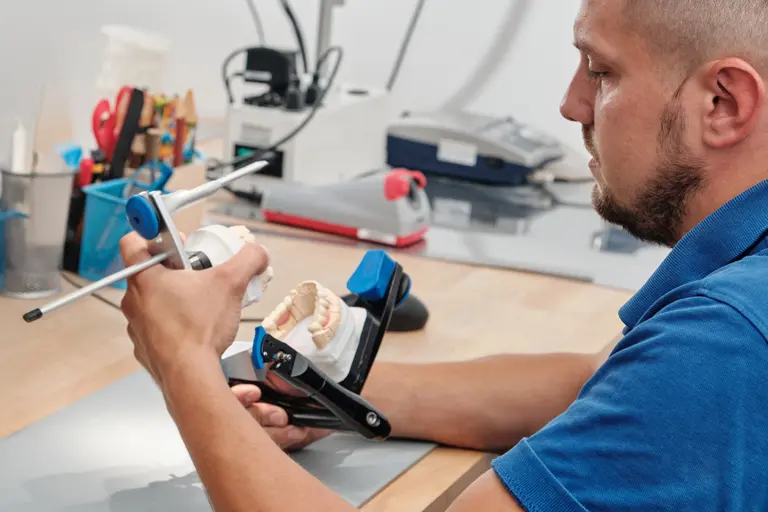
Material selection represents just the beginning of successful cosmetic case management. The expertise of skilled laboratory technicians becomes crucial in maximizing each material’s potential while compensating for inherent limitations through advanced fabrication techniques.
At Keating Dental Lab, our approach to the zirconia vs porcelain decision involves comprehensive case evaluation that considers both clinical requirements and patient expectations. Our technicians work with zirconia and porcelain every day, and they understand how to tailor each one to the demands of a specific case.
We work closely with dentists to evaluate preparation design, loading conditions, and esthetic goals, then recommend the material that will work best for each patient.